- The container ship Epaminondas, owned by a Greek company, was targeted by the Iranian Revolutionary Guard Corps (IRGC) while crossing the Strait of Hormuz. The ship was not transmitting AIS signals at the time.
- The vessel’s master had been informed that transit through the strait was permitted, but an IRGC gunboat approached and opened fire, causing significant damage to the ship’s bridge.
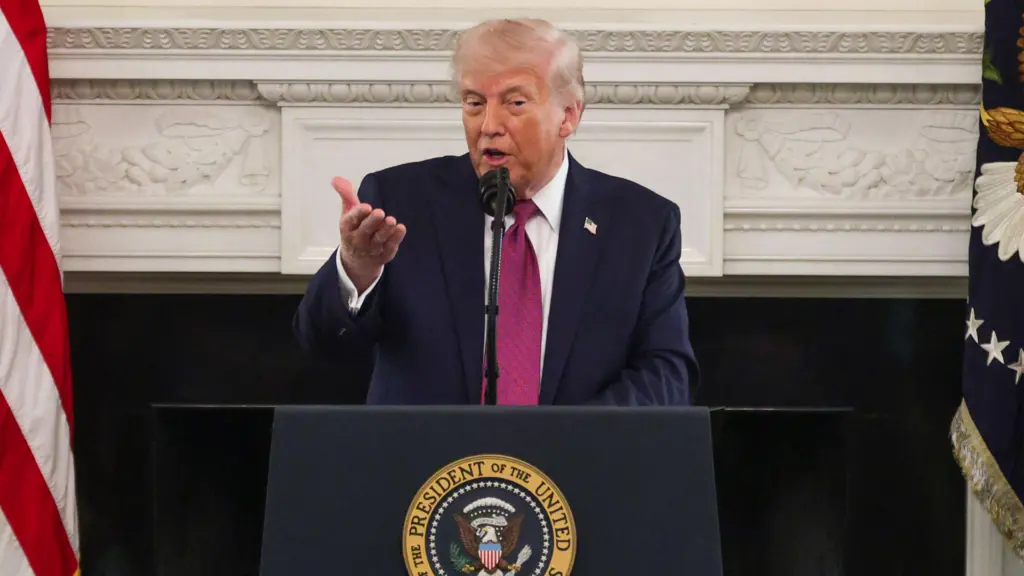
- A senior Iranian adviser criticized US President Donald Trump’s ceasefire extension as meaningless and a tactic to buy time for a surprise strike, calling for a military response from Iran.
- The US Navy has been blockading the Strait of Hormuz and recently boarded an Iranian-flagged cargo ship after Iran had effectively closed the channel for weeks.
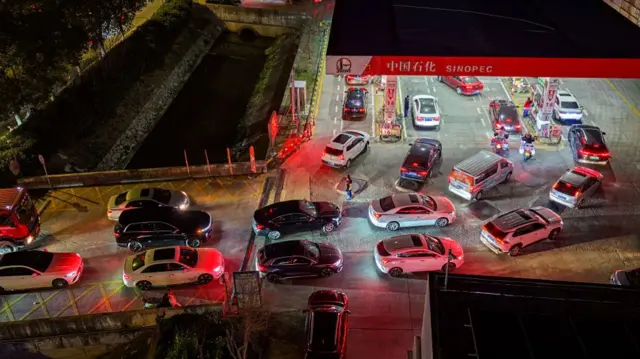
- China has lowered petrol and diesel prices for the first time since the Iran conflict began, reflecting changes in global oil markets, after multiple price increases earlier.
- If you need further details or analysis, feel free to ask!
 The Iranian Revolutionary Guard Corps (IRGC) fired upon a container ship in the Strait of Hormuz, 15 nautical miles northeast of Oman, as reported by the UK Maritime Trade Operations Centre (UKMTO).
 - The attack involved an IRGC gunboat that approached without radio warning (no VHF challenge) and opened fire, causing heavy damage to the ship’s bridge.
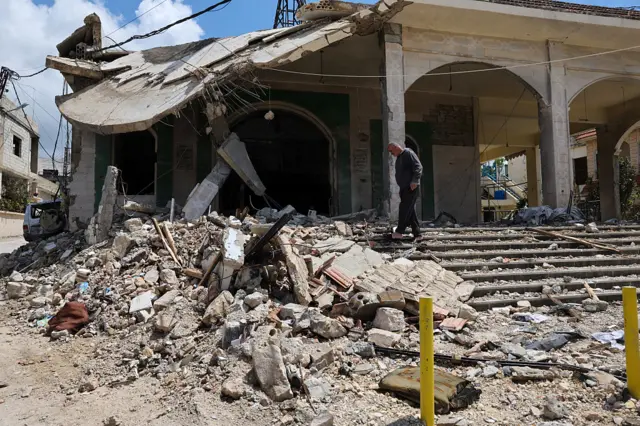
- Separately, Lebanese state media reported that one person was killed in an Israeli strike.
 Here is a summary of the recent developments related to the Israel-Lebanon situation:
The Iranian Revolutionary Guard Corps (IRGC) reportedly fired upon a container ship in the strategic Strait of Hormuz, an incident confirmed by the UK Maritime Trade Operations Centre (UKMTO). According to the UKMTO, which is led by the British Royal Navy to ensure maritime security, the attack occurred approximately 15 nautical miles northeast of Oman. The vessel targeted was approached by an IRGC gunboat without any prior radio communication or warning—referred to as “no VHF challenge,” meaning the ship did not receive any radio hail or challenge before being fired upon. The gunboat then opened fire, causing significant damage to the ship’s bridge, an area crucial for navigation and control.
This incident adds to the growing tensions in the region, as the Strait of Hormuz is a vital chokepoint for global oil shipments, and any disruption there has wide-reaching implications for international trade and energy markets. The lack of communication before the attack raises concerns about the rules of engagement and the potential for escalation in this already volatile area.
In a separate but related development, Lebanese state media reported that one person was killed in an Israeli strike. Details on the target and the broader context of this strike remain limited, but it underscores ongoing conflicts and instability in the Middle East region.
These incidents highlight the complex and tense geopolitical environment in the Middle East, where maritime security, military actions, and regional rivalries continue to impact global security and economic stability.
Leave a Reply